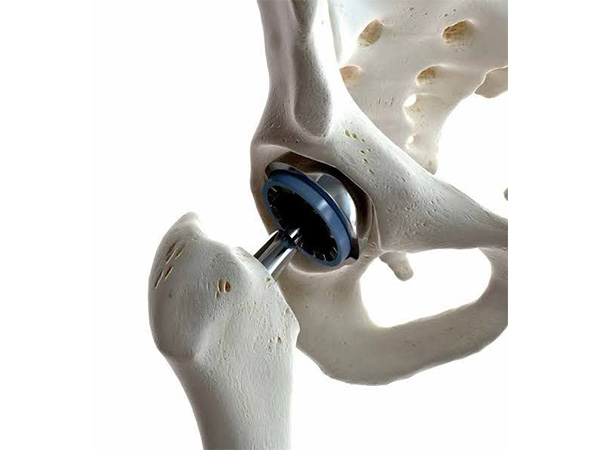
Recovering from a surgery like hip replacement involves multiple steps, each requiring attention and planning. You may wonder how to get ready, what hurdles to expect, or whether you’ll need help at home. Recovery isn’t a solo process—it calls for coordination between you, your doctors, and your family. Dr Gaurav Gupta, a joint replacement surgeon from Jhansi and a specialist in robotic joint replacements, answers key questions and offers insight into the recovery and rehabilitation process.
When can I go home after a hip replacement?
“Most people are able to stand and walk within a few days and can return home shortly after surgery,” says Dr Gaurav Gupta. Staying in bed isn’t necessary for most patients—in fact, using the new joint helps speed up healing. That said, those with heart or lung problems, or anyone who’s had a more complex surgery or lacks support at home, may need to remain under observation longer.
Will I need to use a walker at first?
Whether or not you’ll need a walker is determined by your medical team, including your surgeon, physiotherapist, and primary doctor. Assistive devices like canes or walkers may be used to help prevent falls if you’re feeling unsteady, but they’re not always required. Many patients are able to walk on their own early on.
When will my hip incision heal?
“The incision made during surgery is now much smaller than in the past,” Dr Gupta explains. A dressing is placed over it, and it typically heals within about six weeks. Bathing should be avoided for around two weeks to reduce the risk of infection while the wound is still healing.
How soon does rehabilitation start after the hip surgery?
Physical therapy usually starts before surgery and resumes right after. Patients work with therapists to reinforce exercises before being discharged. Recovery continues at home with a mix of gentle movements and strengthening activities. Early goals include sitting, standing, and walking, followed by more advanced tasks like climbing stairs or getting in and out of a vehicle. Strengthening muscles around the hip and knee through resistance training plays a major role in restoring mobility.
Hip and Knee Replacement at Jhansi Orthopaedic Hospital
At Jhansi Orthopaedic Hospital, the Hip and Knee Replacement program is led by experienced specialists in joint procedures. From preparation before surgery to personalized rehab plans afterward, the team supports each patient throughout the process. The ultimate aim is to help you return to your usual routine as soon as possible, safely and confidently.
What is considered a “normal” amount of pain after a hip replacement surgery?
Swelling and discomfort at the surgical site are expected following hip replacement. Dr Gupta recommends resting between therapy, using ice packs on the incision, and taking anti-inflammatory medications if prescribed. Elevating the leg while lying down also helps with swelling. However, if your pain level consistently remains high—above 6 on a scale of 10—you should inform your doctor. Such pain might signal an infection or other concern. As rehab progresses, pain should steadily reduce and drop to 1 or 2 out of 10 by the end of the third month.
How long does it take to recover after a hip replacement?
On average, recovery takes between two and four weeks, though this varies by individual. According to Dr Gupta, your overall health, age, physical activity level before surgery, and nutritional status all contribute to the pace of recovery. Getting physically ready before surgery, known as “prehab,” has been shown to make recovery smoother and quicker.
How soon can I return to regular activities after a hip replacement?
Physical therapy’s goal is to restore your ability to do daily activities—working, spending time with kids, or enjoying hobbies. But how soon you can do each one depends on how strenuous it is. If you had your right hip replaced, driving may be off-limits for about four weeks. If it was the left, you might be back behind the wheel in a week or two. Start with short drives in quiet areas before progressing to busier roads. Opioid medications can also delay your return to driving, so be cautious.
Desk-based jobs can usually be resumed in two weeks. However, work that involves lifting or standing for long periods might require a break of up to six weeks. Sports activities should wait about six weeks, and swimming is also best avoided until the incision has fully healed. When it comes to sexual activity, patients can resume it as soon as they feel comfortable.
What could slow down my recovery?
Complications during or after surgery—like infection, bone fractures, or hip dislocation—can delay healing. Dr Gupta advises patients to watch for symptoms such as fever, discharge from the incision, severe pain, or restricted movement. Prompt medical attention can prevent further issues. He also recommends avoiding sudden movements and progressing through rehab slowly to avoid falls or strain on the joint.
How long will my hip replacement implant last?
Today’s implants are made from advanced combinations of plastic, ceramic, and metal, making them more durable than older models. These components are designed to last between 20 and 30 years, and most patients will not need another replacement. The risk of failure is much lower with these modern prosthetics.
How long after replacing one hip should I wait to replace the other?
“If both hips are severely affected by arthritis, having both replaced at once—known as bilateral hip replacement—may be a good option for some patients,” says Dr Gupta. It can shorten the overall recovery period. However, it also means more effort during rehab, as both legs will need strengthening at the same time. You’ll likely need more help at home initially. If the surgeries are done separately, waiting at least six weeks between them is recommended to minimize the risk of blood clots and aid smooth recovery.
Visit us on www.docgauravgupta.com, www.joh.co.in
Disclaimer: Prre.site is not liable for any damages arising from the use of this website or its content.